Reflections from a Recent Briefing with Prosci
I recently had the opportunity to meet with the leadership team at Prosci to discuss organizational change, enterprise transformation, AI adoption, and the growing need for organizations to build internal change capability.
While the conversation covered a broad range of topics, one theme surfaced consistently throughout the discussion: organizations are moving beyond project-based approaches to change management and focusing on change as an organizational capability.
That observation aligns closely with conversations I have been having with HR, learning, and transformation leaders over the past year.
Change Is No Longer an Isolated Event
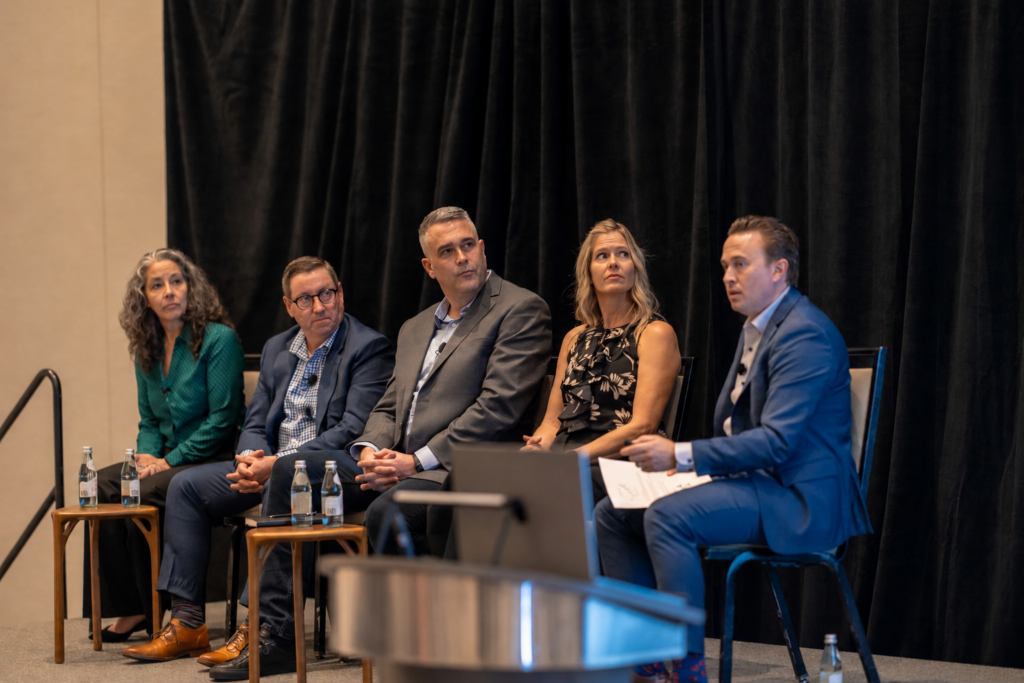
Earlier this year, I moderated a panel discussion at the Brandon Hall Group HCM Excellence Conference titled Driving Successful Organizational Change and Transformation. During the session, we asked attendees a simple question:
How is change showing up in your organization right now?
| Response | % |
| We are in a relatively stable period right now | 3% |
| We are focused on one primary transformation with others planned | 19% |
| We are constantly adjusting, but without a clear change framework | 25% |
| We are managing multiple major changes simultaneously | 53% |
The results were revealing.
Only 3% of respondents described their organizations as operating in a relatively stable environment. More than half reported managing multiple major transformations at the same time, while another quarter indicated they were continuously adjusting without a formal framework for managing change.
These findings reflect a reality many leaders recognize immediately.
Organizations are implementing AI initiatives while modernizing enterprise technology. Skills strategies are evolving alongside workforce transformation efforts. New operating models, leadership changes, and shifting business priorities often occur simultaneously.
The challenge is rarely a single transformation initiative. The challenge is navigating several of them at once.
What Prosci Is Seeing
That reality was reflected throughout my discussion with Prosci, a company that has spent more than two decades helping organizations build change management capabilities and execute large-scale transformation initiatives. Through its research, methodology, training, and advisory work, Prosci works with organizations around the world to improve adoption, develop internal change capability, and increase the likelihood of transformation success.
The company continues to see organizations investing in major transformation efforts, particularly around AI adoption, ERP modernization, digital transformation, and workforce change. What stood out, however, was the growing focus on building change capability across the enterprise rather than applying change management to one initiative at a time.
Prosci described a growing number of organizations looking for ways to establish common approaches, governance structures, leadership practices, and change capabilities that can be applied consistently across multiple transformation efforts. The goal is not simply to improve adoption on a single project. The goal is to create an organization that can execute change repeatedly and effectively.
This is a notable shift from how many organizations approached change management a decade ago.
Historically, change management was often attached to a specific project. A merger, system implementation, or restructuring effort would trigger a temporary change plan designed to support that initiative.
Today, many organizations are operating in a state of continuous transformation. Change management is increasingly being viewed as an enterprise discipline that supports broader business execution.
What Building Change Capability Looks Like
One of the more useful aspects of the discussion involved the practical elements of building change capability.
Several themes emerged repeatedly.
- Leadership Involvement – Prosci emphasized the importance of active and visible sponsorship. Successful organizations do not delegate change exclusively to project teams. Leaders play an important role in creating alignment, reinforcing priorities, and helping employees understand why change matters.
- Manager Enablement – Managers remain one of the most important links between strategy and execution. Enterprise transformation becomes real for employees through conversations with their managers. Organizations that invest in manager capability are often better positioned to reinforce adoption and sustain new ways of working.
- Structured Approaches – Organizations that build change capability establish common language, methodologies, and practices that can be applied across initiatives. Rather than creating a new approach for every project, they develop repeatable processes that support consistency and scalability.
- Governance and Coordination – One of the more interesting topics involved the evolution from project-level change management to portfolio-level visibility. As organizations manage multiple transformation efforts simultaneously, leaders need a clearer view of how initiatives affect employees, where priorities overlap, and how change efforts can be coordinated more effectively.
Why This Matters for HCM Leaders
The conversation reinforced many of the themes Brandon Hall Group has been exploring through our research.
In our Strategy Brief, Navigating Organizational Change and Transformation: Building Change Execution Capability in an Era of Continuous Transformation, we examined how organizations are moving beyond traditional change management practices and focusing on the capabilities required to execute transformation consistently across the enterprise.
The topic has also surfaced throughout our learning and certification programs. One example is our course, Sustaining the Change: Culture Transformation and Avoiding Fatigue, which explores how organizations reinforce change, strengthen culture, and maintain momentum through extended transformation efforts.
Taken together, these discussions point toward a common challenge. Organizations are no longer asking whether change management matters. They are asking how to operationalize change, build internal capability, and sustain transformation over time.
Final Thoughts
One of the reasons I enjoy executive briefings is that they often provide an opportunity to compare research findings with what practitioners and solution providers are seeing in the market.
The discussion with Prosci reinforced a trend that continues to gain momentum across industries.
Change management is evolving beyond a project discipline. Organizations are increasingly focused on building the leadership capability, governance structures, learning strategies, and organizational practices needed to support transformation at scale.
Organizations will continue to invest in AI, enterprise technologies, workforce transformation, and new operating models. The ability to help people adopt and sustain those changes may prove just as important as the technologies and strategies themselves.